Protect your ads and offers from fraud and invalid traffic
Leading publishers, ad networks, and brands rely on Verisoul to prevent invalid traffic and reduce chargebacks
TRUSTED BY COMPANIES ACROSS EVERY INDUSTRY
Verisoul protects the entire advertising landscape

Rewarded Advertising & Payments
Copper chooses Verisoul over Sardine, Fingerprint, and Socure - cutting reversals by 37%
37%
reduction in fraud reversal rates from partner offer network
76%
reduction in cost vs Sardine, despite being a more accurate solution
Use Cases Solved:
Multi-accounting
Location Spoofing
Mobile Proxies
Rewarded Advertising & Mobile Gaming
Benjamin replaces IPQS with Verisoul to lower false positives and win ad partnerships
Lower
false positive rates
Positive
network effects from higher-quality traffic
Use Cases Solved:
False Positive Reduction
Chargeback Prevention
Multi-accounting
Geo-Blocking
Rewarded Advertising & Payments
AD Grand improves proxy detection by 25% and reduces manual reviews by 90% with Verisoul
25%
proxy detection improvement
90%
reduction in manual reviews
Use Cases Solved:
Bot Accounts
Multi-Accounting
Location Spoofing
How Skylup Uses Verisoul To Win New Advertising Partners
34%
of accounts have been blocked, catching chargebacks that had previously slipped through
8
new publishers added in 2 weeks
Verisoul vs. Competitors

Win rate

Customers that chose Verisoul
Key Differentiators:
Fewer false positives (30–50%+)
IPQS relies on static IP blocklists, which frequently misclassify legitimate users. Verisoul analyzes live network traffic, catching only true proxy and VPN activity.
Result: Wiza reduced false positives by 90%; Adscend Media reported a drastic reduction.
Holistic fraud decisions
Verisoul combines network, device, behavioral, email, and cluster-level intelligence into a single risk score, while IPQS surfaces fragmented signals.
Transparent scoring and rules
Customers describe IPQS as a “black box.” Verisoul provides clear, configurable fraud scores and rules teams can trust and tune.
Win rate

Customers that chose Verisoul
Why customers choose Verisoul:
Detects advanced location spoofing
Verisoul uniquely identifies cross-continental device farms and large-scale location fraud that Fingerprint misses.
Broader identity intelligence
Verisoul incorporates email and phone signals alongside device data for stronger identity resolution.
Transparent scoring and rules
Copper selected Verisoul after finding Fingerprint delivered no incremental fraud detection beyond what Verisoul already caught.
Win rate

Customers that chose Verisoul
Key Differentiators:
Active proxy detection
MaxMind relies on IP reputation databases. Verisoul uses active network packet inspection to detect never-before-seen mobile and residential proxies.
More than IP location
Verisoul combines network, device, behavioral, and identity signals into a single decision, rather than relying primarily on IP geolocation.
Win rate
Customers that chose Verisoul
Key Differentiators:
Higher accuracy without false positives
Verisoul reduced CheddarTV’s invalid traffic rate by 80% with no increase in false positives.
Beyond bot detection
HUMAN focuses primarily on bots. Verisoul covers bots, duplicates, location spoofing, device farms, and proxy-based fraud in one platform.
Win rate
Customers that chose Verisoul
Key Differentiators:
Cross-industry intelligence
Verisoul protects customers across 12+ industries (payments, gaming, FinTech, advertising), while 24Metrics is limited to affiliate marketing.
Client-side fraud detection
24Metrics relies on server-side signals like IP and user-agent lookups. Verisoul performs real-time client-side device and network forensics, catching fraud server-side tools miss.
Win rate
Customers that chose Verisoul
Key Differentiators:
Active proxy detection
MaxMind relies on IP reputation databases. Verisoul uses active network packet inspection to detect never-before-seen mobile and residential proxies.
More than IP location
Verisoul combines network, device, behavioral, and identity signals into a single decision, rather than relying primarily on IP geolocation.
Defending the Entire Advertising Ecosystem
Remove invalid traffic, screen out duplicates, and prevent chargebacks with Verisoul.
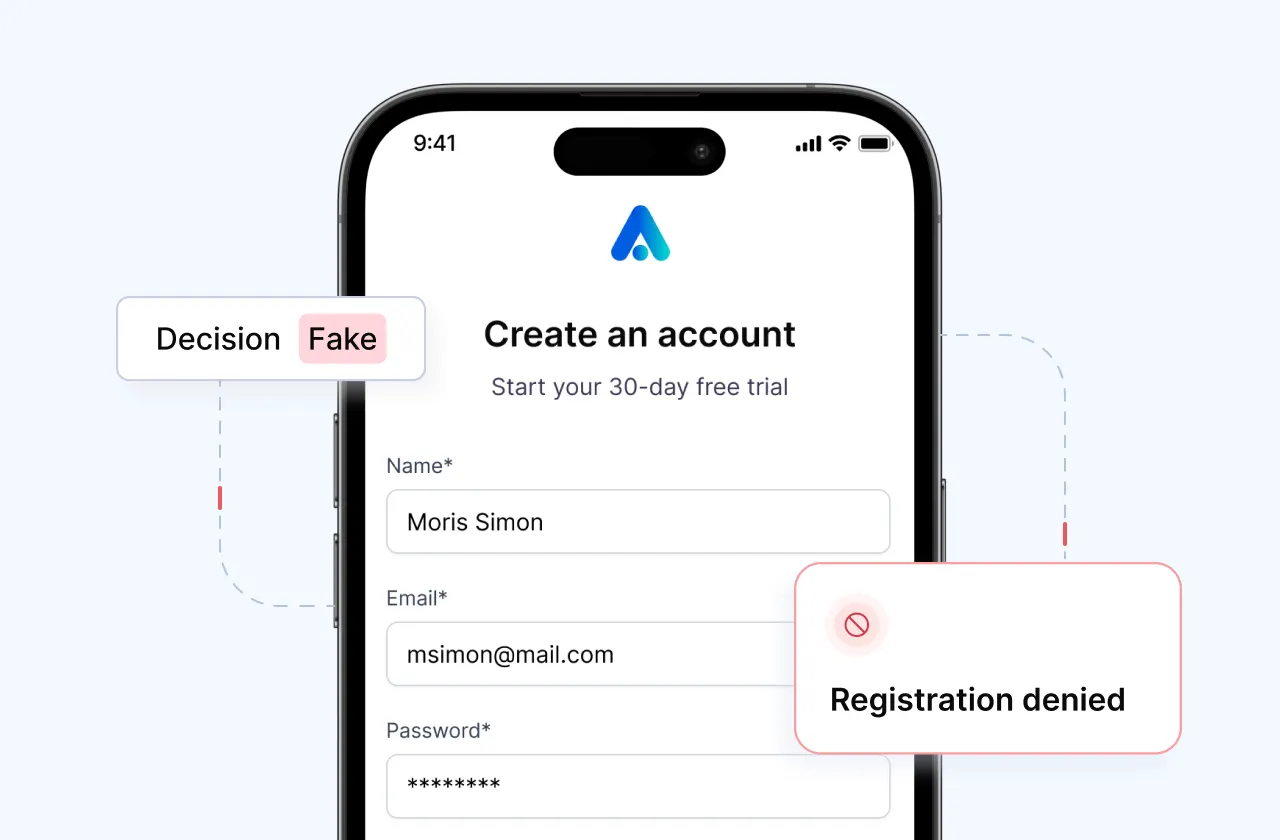
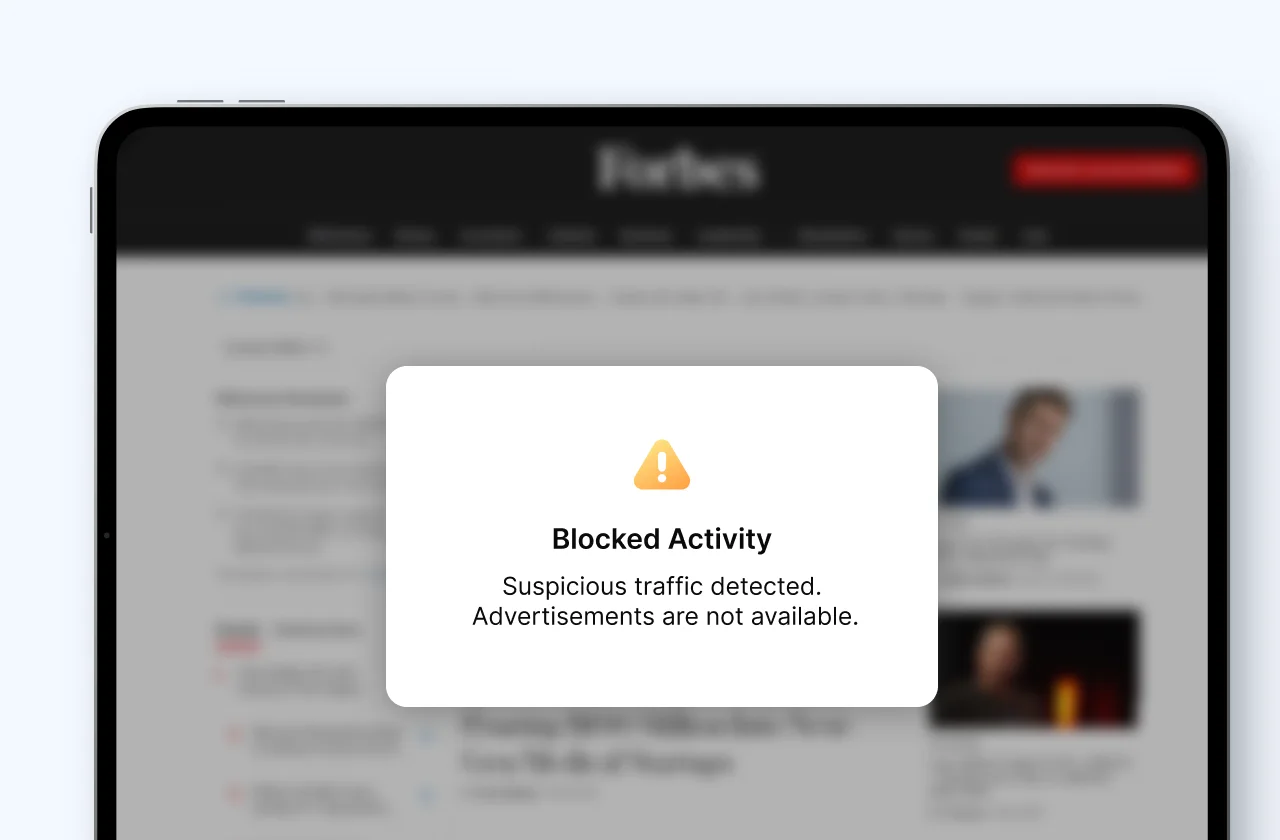
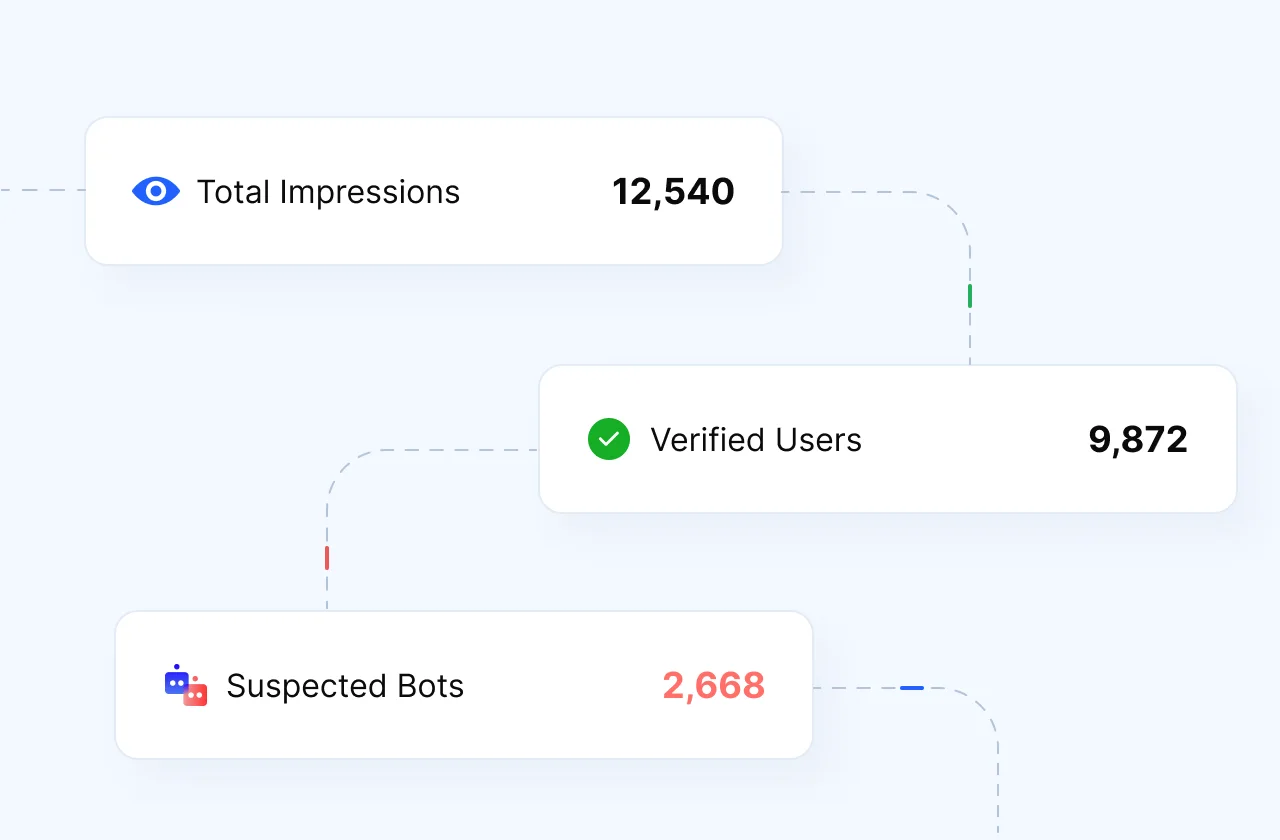
Powerful real-time signals detect all types of fraud
Real-time signals detect bots, proxies, location spoofing, and duplicates. Screen clicks before they impact traffic metrics.
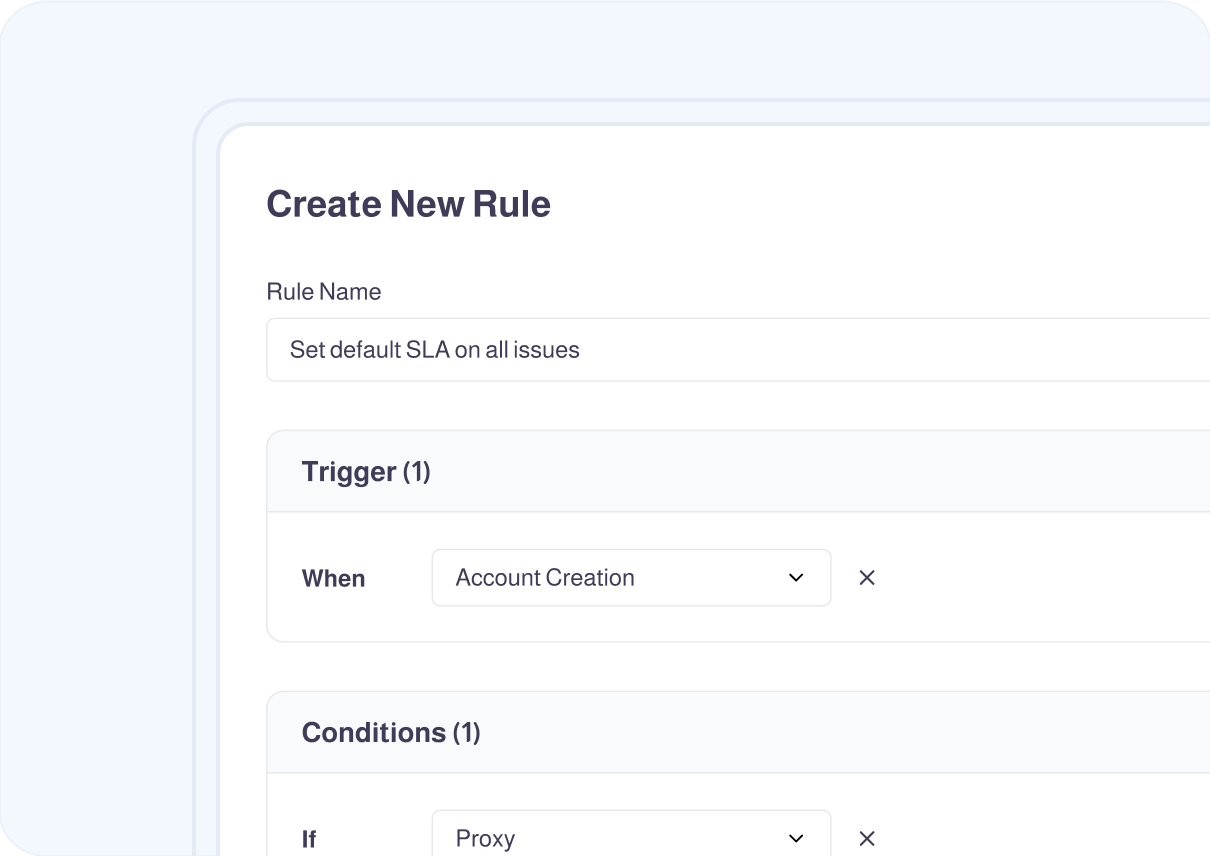
Set granular rules by publisher, advertiser, or network
Configure custom logic and push to production in 1-click with no engineering work.
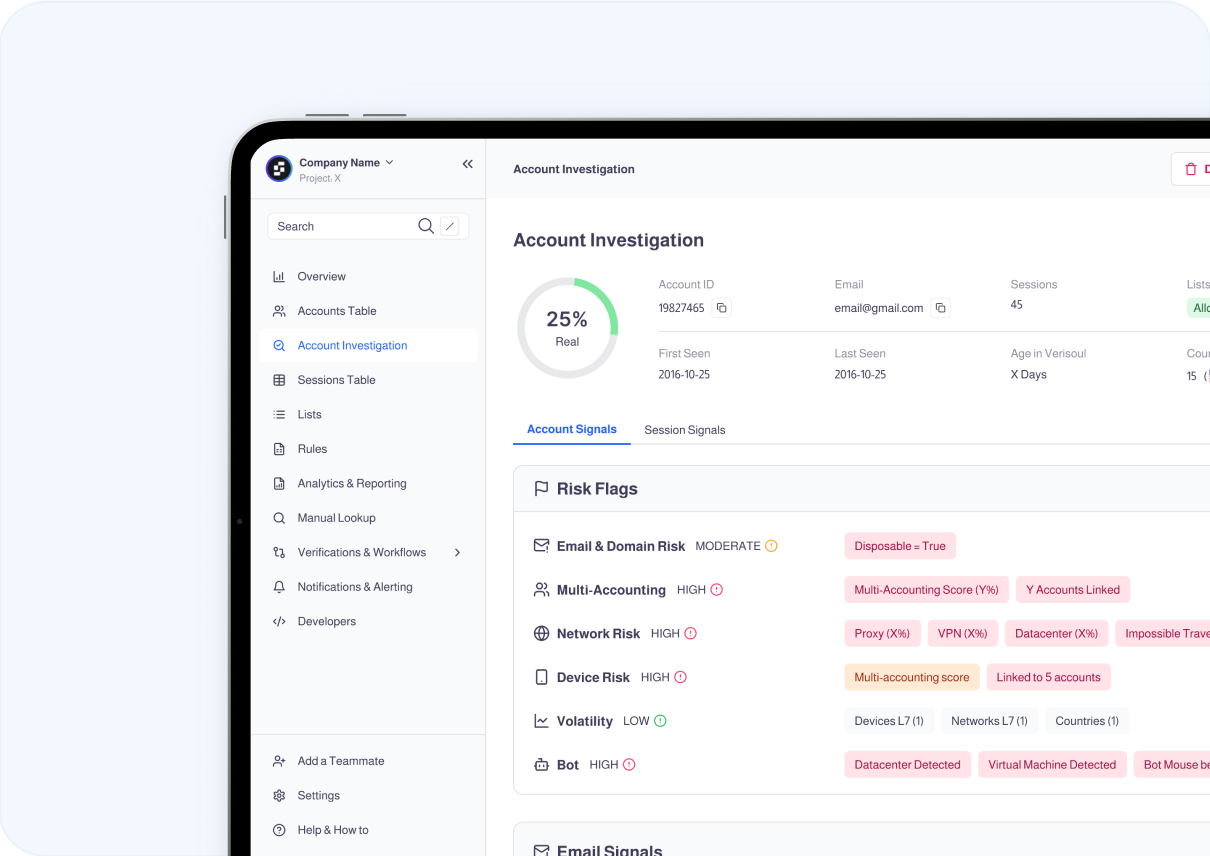
X-Ray Vision into every click
Powerful dashboard helps you spot trends and investigate risk signals.
.webp)
X-Ray Vision into every click
Powerful dashboard helps you spot trends and investigate risk signals.
FAQs
What types of advertising fraud does Verisoul detect?
What types of advertising fraud does Verisoul detect?
Verisoul detects the most common and costly fraud attacks in performance marketing, including invalid traffic (IVT), click fraud, affiliate fraud, install fraud, device farms, bots, proxy/VPN abuse, location spoofing, and duplicate users.
Verisoul is built to protect outcomes across the full funnel — from pre-click screening to post-click quality validation — by combining network forensics, device intelligence, behavioral signals, and identity context into a single real-time risk decision.
Can Verisoul detect click fraud and invalid traffic in real time?
Yes. Verisoul detects click fraud and invalid traffic in real time, so ad networks, offerwalls, and advertisers can stop bad traffic before it impacts reporting, attribution, or billing.
Verisoul evaluates each session using client-side and network-level signals to identify automated clicks, non-human interaction patterns, proxy-driven traffic, and coordinated fraud clusters. This “x-ray vision into every click” helps teams protect CTR, conversion rates, CAC, ROAS, and advertiser trust without waiting for retroactive chargebacks or manual investigations.
How does Verisoul catch mobile proxies, residential proxies, and location spoofing in AdTech traffic?
Verisoul detects mobile and residential proxy abuse and location spoofing across ad traffic, installs, and post-click activity using real-time network and device intelligence.
Ad fraud detection includes:
- Encrypted traffic pattern analysis to identify proxy tunneling and abnormal packet flows common in mobile and residential proxy networks
- Middlebox and relay identification, flagging traffic that passes through unauthorized intermediary infrastructure before reaching ad endpoints
- True-location inference, where Verisoul triangulates routing paths, device signals, and session behavior to pierce proxy layers and determine actual user geography
- Environmental mismatch detection, such as inconsistencies between device language, fonts, OS region, voice or speech signals, and claimed location
These techniques are especially effective against geo-spoofed installs, fake engagement, arbitrage traffic, and incentive-driven proxy abuse, which traditional IP-based tools consistently miss.

How does Verisoul reduce false positives compared to IP blocklists?
How does Verisoul reduce false positives compared to IP blocklists?
Verisoul reduces false positives by analyzing live network traffic and session behavior, instead of labeling users as fraudulent based on static IP blocklists.
Static IP lists often misclassify legitimate users — especially mobile, shared networks, international traffic, and privacy-forward browsers — which causes unnecessary traffic loss and revenue impact. Customers switching from IP-based approaches have reported clear improvements, including:
- Wiza: false positives reduced by 90% versus IPQS
- Suzy: false positives reduced by 28%
- Benjamin: described a “drastic” reduction in false positives versus IPQS
Lower false positives means you can block more fraud without sacrificing legitimate conversions, publisher revenue, or scale.
Can Verisoul block fraud without adding friction for real users?
Can Verisoul block fraud without adding friction for real users?
Yes. Verisoul blocks fraud without forcing captchas, step-up challenges, or user interruptions that hurt conversion rates.
Verisoul runs passively using client-side device and network signals, so legitimate users continue through the funnel normally while high-risk traffic can be blocked, throttled, routed, or flagged based on your policies. This is especially important for ad networks and offerwalls where any added friction can reduce CTR, CVR, and revenue per session.
Does Verisoul work for publishers, ad networks, and advertisers?
Does Verisoul work for publishers, ad networks, and advertisers?
Yes. Verisoul protects the entire advertising value chain — publishers, ad networks/offerwalls, and advertisers — with one consistent fraud layer.
- Publishers: prevent fraudsters from accessing communities and monetization surfaces by blocking device farms, bots, install fraud, and location spoofing without hurting legitimate engagement.
- Ad networks / offerwalls: screen traffic instantly to prevent IVT from entering the ecosystem, reducing downstream disputes and protecting supply quality at scale.
- Advertisers: validate inbound traffic to ensure marketing budgets are spent on real users, improving ROAS and reducing waste.
This shared approach improves trust and performance across the ecosystem, not just at one step in the funnel.
How does Verisoul detect device farms and large-scale affiliate fraud?
How does Verisoul detect device farms and large-scale affiliate fraud?
Verisoul detects device farms and affiliate fraud by combining active network intelligence, device fingerprinting, and behavioral clustering to identify coordinated operations at scale.
In performance marketing, location spoofing is one of the biggest fraud vectors, especially for offerwalls, incentivized traffic, and geo-restricted offers. Verisoul uniquely catches sophisticated location fraud — including cross-continental device farms — because it validates session behavior using active network signals rather than relying on IP-only location checks.
This approach makes it harder for fraud rings to rotate devices, spoof attributes, or hide behind “clean-looking” residential/mobile infrastructure.
Can Verisoul help reduce chargebacks and advertiser disputes?
Can Verisoul help reduce chargebacks and advertiser disputes?
Yes. Verisoul reduces chargebacks and disputes by blocking fraudulent sessions before conversions, payouts, or billing events happen.
Customers have reported measurable impact, including:
- Copper: reduced chargeback rates by 37% while also reducing false positives
- Adscend: reported multiple single instances of $13k–$15k saved from chargeback prevention
By preventing invalid conversions and fraudulent attribution earlier, Verisoul helps performance teams protect revenue and preserve long-term advertiser relationships.
How is Verisoul different from fraud tools like IPQS, HUMAN, or MaxMind?
How is Verisoul different from fraud tools like IPQS, HUMAN, or MaxMind?
Verisoul differs from legacy fraud tools by using active network intelligence and holistic fraud scoring, rather than relying primarily on static IP lists or narrow bot detection.
- Tools centered on IP reputation can miss modern fraud like mobile/residential proxy rotation and location spoofing — and often create costly false positives.
- Bot-focused tools can be strong on automation but may not fully cover duplicates, device farms, affiliate fraud patterns, or sophisticated proxy-based location fraud.
Verisoul combines network forensics, device intelligence, behavior, and identity context into one transparent decision, and supports configurable rules by publisher, advertiser, or network so teams can tune policies without shipping engineering work.
Try Verisoul free
Simplify identity verification and secure your workflows with Verisoul — try it for free.

Verisoul announces $9M Series A!

{ "@context": "https://schema.org", "@type": "FAQPage", "mainEntity": [ { "@type": "Question", "name": "What types of advertising fraud does Verisoul detect?", "acceptedAnswer": { "@type": "Answer", "text": "Verisoul detects key performance marketing fraud types including invalid traffic (IVT), click fraud, affiliate fraud, install fraud, device farms, bots, proxy/VPN abuse, location spoofing, and duplicate users. It combines network forensics, device intelligence, behavioral signals, and identity context into a single real-time risk decision." } }, { "@type": "Question", "name": "Can Verisoul detect click fraud and invalid traffic in real time?", "acceptedAnswer": { "@type": "Answer", "text": "Yes. Verisoul detects click fraud and invalid traffic in real time so teams can block or route high-risk traffic before it impacts reporting, attribution, or billing. It evaluates sessions using client-side and network-level signals to identify automation, proxy-driven traffic, and coordinated fraud patterns." } }, { "@type": "Question", "name": "How does Verisoul catch mobile proxies, residential proxies, and location spoofing in AdTech traffic?", "acceptedAnswer": { "@type": "Answer", "text": "Verisoul detects mobile and residential proxy abuse and location spoofing across ad traffic, installs, and post-click activity using real-time network and device intelligence. Detection techniques include encrypted traffic pattern analysis to flag proxy tunnels, identification of middleman or relay infrastructure touching traffic, and true-location inference by triangulating routing paths, device signals, and session behavior. Verisoul also detects environmental mismatches such as inconsistencies between device language, fonts, OS region, voice or speech signals, and claimed location, which are common in geo-spoofed ad fraud." } }, { "@type": "Question", "name": "How does Verisoul reduce false positives compared to IP blocklists?", "acceptedAnswer": { "@type": "Answer", "text": "Verisoul reduces false positives by analyzing live network traffic and session behavior instead of relying on static IP blocklists that often misclassify legitimate users. Customers switching from IP-based tools have reported major false-positive reductions, including 90% versus IPQS for Wiza and 28% for Suzy." } }, { "@type": "Question", "name": "Can Verisoul block fraud without adding friction for real users?", "acceptedAnswer": { "@type": "Answer", "text": "Yes. Verisoul blocks fraud without requiring captchas or step-up challenges for legitimate users. Detection runs passively using client-side device signals and network intelligence, allowing teams to block, throttle, route, or flag high-risk traffic while preserving conversion rates." } }, { "@type": "Question", "name": "Does Verisoul work for publishers, ad networks, and advertisers?", "acceptedAnswer": { "@type": "Answer", "text": "Yes. Verisoul protects publishers, ad networks and offerwalls, and advertisers across the full advertising value chain. Publishers block device farms and bots, networks screen IVT at scale, and advertisers validate inbound traffic so spend reaches real users." } }, { "@type": "Question", "name": "How does Verisoul detect device farms and large-scale affiliate fraud?", "acceptedAnswer": { "@type": "Answer", "text": "Verisoul detects device farms and affiliate fraud by combining active network intelligence, device fingerprinting, and behavioral clustering to identify coordinated operations. It is especially effective against location spoofing, a major performance marketing fraud vector, by validating session behavior beyond IP-only location checks." } }, { "@type": "Question", "name": "Can Verisoul help reduce chargebacks and advertiser disputes?", "acceptedAnswer": { "@type": "Answer", "text": "Yes. Verisoul reduces chargebacks and advertiser disputes by blocking fraudulent sessions before conversions, payouts, or billing events occur. Customers have reported measurable results, including a 37% chargeback reduction for Copper and multiple single-instance savings from chargeback prevention for Adscend." } }, { "@type": "Question", "name": "How is Verisoul different from fraud tools like IPQS, HUMAN, or MaxMind?", "acceptedAnswer": { "@type": "Answer", "text": "Verisoul uses active network intelligence and holistic fraud scoring instead of relying primarily on static IP lists or narrow bot detection. By combining network forensics, device intelligence, behavioral signals, and identity context into one transparent decision, Verisoul catches sophisticated proxy-based and location fraud with fewer false positives." } } ]
}











.webp)