Lootably runs an offerwall network that reaches 1.5M monthly active users by connecting publishers and advertisers.


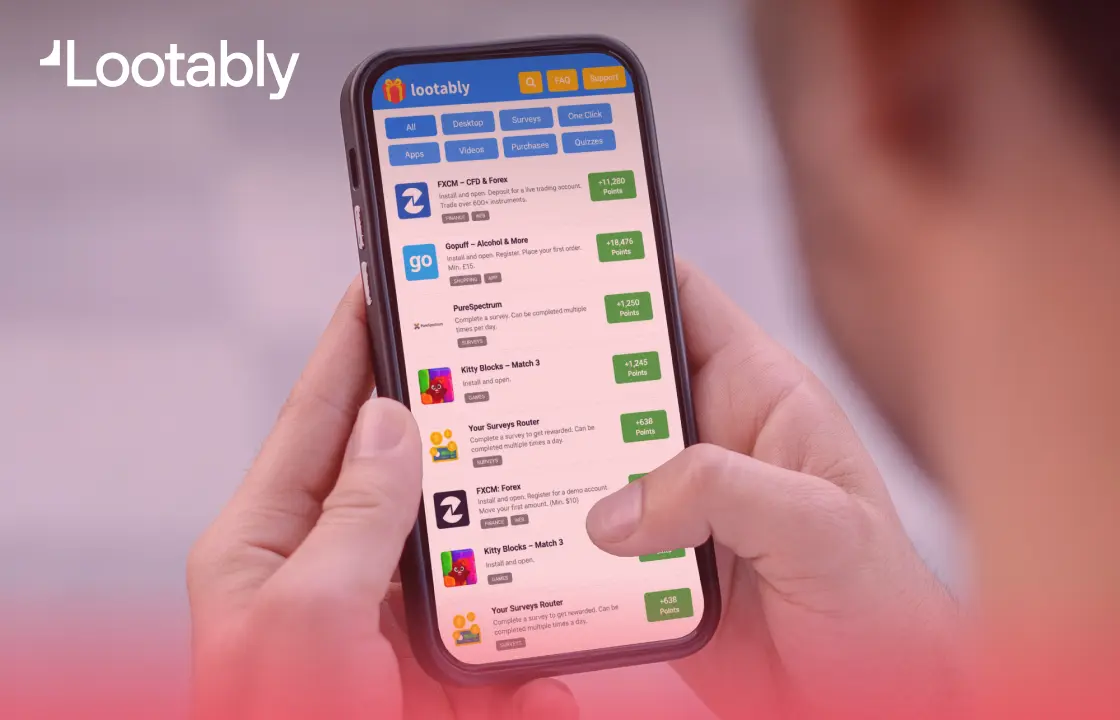
Lootably operates an offerwall and ad network that works with both sides of the incentivized advertising market. Publishers, meaning apps, games, and websites , embed the Lootably offerwall so their users can earn rewards. Advertisers use Lootably to expand their reach and acquire highly engaged users.
Lootably reaches around 1.5 million monthly active users and has paid out more than $14 million to its publishers.
For close to six years, Lootably used IPQS for two components of fraud prevention: device fingerprinting and IP reputation lookups. Over time, both safeguards failed.
Fingerprinting was the deeper layer of protection; in theory, if IPQS spotted the same device fingerprint across multiple user IDs, they could block multi-accounting fraud.
But fraudsters learned to generate fresh fingerprints on every attempt, making device fingerprinting by IPQS ineffective.
“By the end of our contract with IPQS, fraudsters were easily bypassing the [device] checks."
The second layer was IP reputation, a blacklist IPQS maintained. There were a few issues:
"We got a lot of results like, 'This IP has been abused recently.' But that showed up for most of our users... That might be true, but it doesn't matter because we can't act on it. If every user shows that it's been abused recently, then it's meaningless to us."
With neither external prevention signals working well, Lootably wrote its own fraud logic in code, one fraud pattern at a time. It was time-consuming and unsustainable.
Advertisers were submitting chargebacks against legitimate traffic that IPQS had flagged. In total, about 15% of revenue was being reversed.
"Every time we get a reversal or chargeback report from advertisers, they would provide us with information from IPQS that we know is false positive. So then we'd have to go and claw back that revenue from our affiliates. It was a whole mess."
After 6+ years as a customer, Lootably received an eye-watering IPQS contract renewal, with pricing that had more than doubled. That’s when they started looking.
One of Lootably’s co-founders had met the Verisoul team at an industry event. When Lootably was evaluating vendors, Verisoul was the first name in mind. But a few more concrete reasons sealed the deal.
"They are clearly technical people, and that's important in a company that's doing fraud protection on the internet. I don't always want to be talking to a salesperson."

Almost all of Lootably’s in-house fraud rules are now Verisoul-driven, adapting in real time instead of manual updates after fraudsters’ damage is done.